Wondering when your Deerfield Beach home will attract the most motivated buyers and strongest offers? In our coastal market, timing matters because demand rises and falls with snowbird season, tourism, and hurricane season. If you plan to sell in the next 3 to 6 months, choosing the right window can shorten days on market and help you net more. Below, you’ll learn the best months to list, how timing differs for waterfront and inland homes, and a simple prep plan that gets you market‑ready. Let’s dive in.
Why timing matters in Deerfield Beach
Deerfield Beach follows South Florida’s seasonal rhythm. The largest wave of buyers arrives during snowbird season, which typically runs from mid‑December through April, with a peak in January to March. Many of these buyers are part‑time residents and second‑home shoppers who value beach proximity, views, and low‑maintenance living. That seasonal surge can translate into more showings and stronger offers, especially for move‑in‑ready homes and condos.
Florida’s warm winter weather draws visitors and agents who plan trips, showings, and closings around high season. On the flip side, hurricane season runs June 1 through November 30, which can affect buyer psychology, insurance conversations, and logistics for inspections and appraisals. If your timing is flexible, you can use these patterns to your advantage.
Tourism also supports demand. Visitor activity in Broward County increases during winter, which often aligns with higher buyer traffic. You can monitor local travel trends through the county’s tourism bureau, Visit Lauderdale, to sense when the area is busiest.
Best months to list
Primary window: January to April
This is your best overall window. Buyer traffic is highest, especially with out‑of‑state and seasonal shoppers in town. Days on market often shorten during this period, and you have a better chance of multiple offers if you price and present well. Listing in early January helps you catch buyers who arrive for the season and want to close before spring.
Secondary windows: Late October to early December, and mid‑April to May
- Late October to early December can work if you want to get a jump on the season. Early arrivals are scouting, and inventory may be lighter before the main influx.
- Mid‑April to May can still produce results, especially for local or relocating buyers, though overall volume typically tapers as seasonal visitors head north.
Windows to reconsider if flexible
- June to September is the quietest stretch. It coincides with peak heat and hurricane season. Expect longer days on market and more insurance questions. If you must list in summer, price with precision and lean into value.
- The last week of December can be tricky for showings. If your target buyer is already in town for snowbird season, it may still work, but plan carefully.
Waterfront vs. inland strategy
Waterfront listing tips
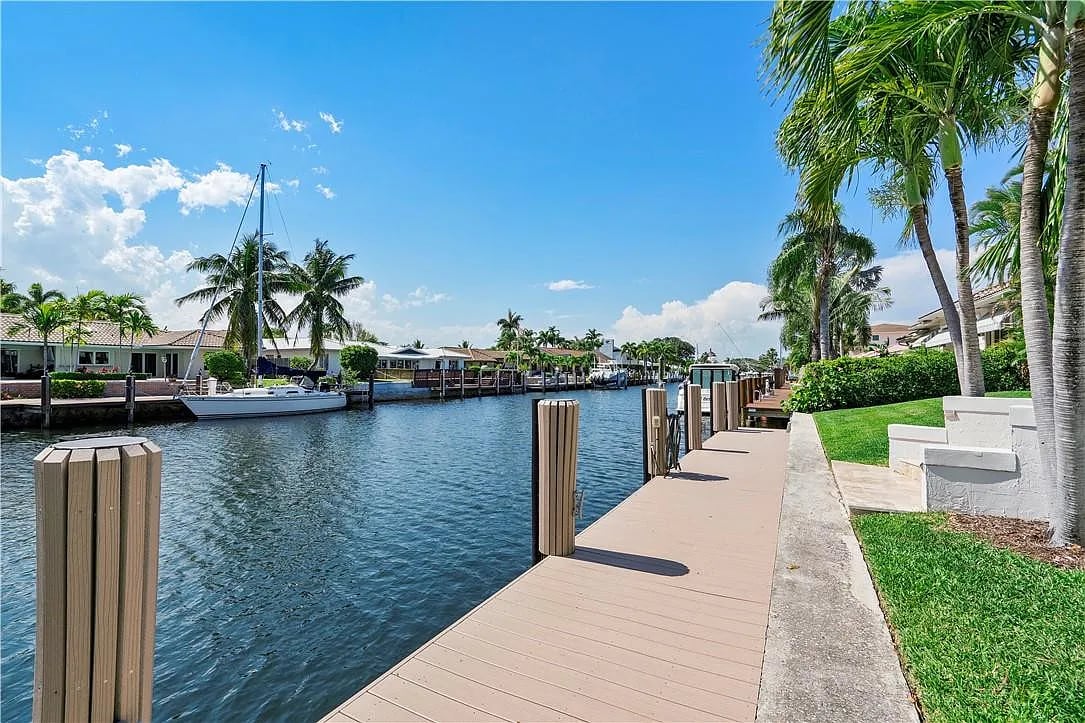
Waterfront and beach‑adjacent properties draw a distinct buyer set: snowbirds, second‑home buyers, and boaters. Many of these buyers are most active during winter, which aligns with the January to April window. To streamline your sale:
- Prepare documentation up front: seawall or bulkhead condition, dock or lift details, flood elevation certificate if available, and maintenance histories.
- Anticipate insurance and financing questions related to flood zones and wind coverage. Buyers and lenders may scrutinize risk more closely.
- Use professional visuals that showcase views and access. Drone, twilight photography, and a virtual tour can boost engagement.
- Offer flexible closing timelines to accommodate out‑of‑state travel schedules. Virtual showings help reach buyers who are still planning trips.
Inland listing tips
Inland homes tend to attract more local buyers and first‑timers. Demand is steadier through the year, with less reliance on snowbird timing. To maximize results:
- Focus on value, updates, and livability. Clean, well‑maintained homes with clear pricing perform best.
- Shorter repair cycles and fewer flood‑related hurdles can speed up escrow. Consider pre‑listing inspections for major systems to avoid surprises.
- Highlight practical benefits like commute routes and everyday amenities in neutral, factual terms.
Read market signals before you list
Seasonal patterns are a strong guide, but the best decisions pair timing with current data. Before you pick a date, check these local metrics for the last 3 to 12 months:
- Median sale price and median list price
- Days on market (median DOM)
- Active inventory and new listings per month
- Months supply of inventory (MSI)
- List‑to‑sale price ratio
- Pending vs. closed sales
What to look for:
- If DOM is trending down and MSI is under roughly 6 months, sellers usually have the advantage. You’re more likely to sell quickly and close near list price.
- If inventory is rising and DOM is stretching, expect a slower pace. Pricing strategy and presentation matter even more.
Where to check data:
- Florida Realtors monthly market reports give Broward County and metro context.
- Your agent’s MLS access provides the most accurate neighborhood‑level stats and comps in Deerfield Beach.
- For seasonal context, tourism trends from Visit Lauderdale can signal buyer traffic peaks.
- For official hurricane season timing, consult NOAA.
3 to 6 month pre‑list timeline
Use this plan if you aim to list in the next 3 to 6 months. Adjust steps for waterfront vs. inland and property type.
12+ weeks out
- Order a comparative market analysis with neighborhood comps and recent DOM and MSI.
- Schedule major repairs and curb appeal work. Prioritize roof, HVAC, plumbing, exterior paint, and landscaping.
- If waterfront, arrange a seawall or bulkhead inspection and gather dock or permit records.
- Collect property documents: survey, deed, HOA or condo docs, recent utility bills, warranties, and repair receipts.
- Consult a tax advisor with any timing or capital gains questions.
6 to 8 weeks out
- Deep clean, declutter, and start staging. If you might offer the home furnished, plan both furnished and vacant looks.
- Book professional photography, drone if appropriate, and a 3D or video tour. Waterfront or view homes benefit most from premium visuals.
- Consider pre‑listing inspections for major issues, including wood‑destroying organisms, roof, and any flood or elevation concerns.
- If selling a condo or co‑op, request resale and association documents so buyers can review quickly.
2 to 4 weeks out
- Finalize pricing with fresh comps and a last‑minute market check.
- Write marketing copy that highlights lifestyle and seasonal benefits like beach access, boating, or proximity to regional hotspots.
- Set showing windows and stay flexible during peak season. Midday and weekday showings often capture snowbird traffic.
- If targeting seasonal or second‑home buyers, prepare furnished or turnkey options and clear occupancy timing.
1 week out and launch day
- Finish staging and confirm media delivery.
- Upload accurate HOA, maintenance, flood, and property details to the MLS.
- Launch with a multi‑channel plan: MLS syndication, targeted ads to out‑of‑state audiences, email to local agent networks, and well‑timed open houses.
- Plan to review early offers on a set timeline to encourage competing bids.
After you go live
- Track showings and buyer feedback closely. If interest is below expectations, adjust price or presentation fast.
- For waterfront sales, anticipate additional due diligence requests and have documentation ready.
Pricing and marketing by season
Peak season (January to April)
- Price near market with a slight edge if inventory is tight and DOM is falling.
- Use full marketing: professional photos, drone, twilight shots, and a 3D tour. Spotlight views, beach access, and turnkey options.
- Schedule open houses and private showings when seasonal buyers are most available.
Off‑season (June to September)
- Lead with value and condition. Consider pre‑inspections, quick repairs, and incentives such as flexible closing or included appliances.
- Expand online reach and virtual touring to engage out‑of‑state buyers who are planning winter purchases.
Waterfront specifics
- Prepare flood and seawall information for buyers and lenders upfront. Feature these details in the listing to reduce friction.
- Promote boat access and waterway details in clear, factual language.
Risk factors to plan for
Hurricane season and insurance
If you list between June and November, be ready to discuss storm history, flood zone classification, mitigation work, and insurance availability. Some buyers may pause around storm events, so build extra time into your plan.
Lending and appraisal
Unique features and waterfront premiums can challenge appraisals. Strong comparables, documented upgrades, and rental income history (if applicable and allowed) help support value.
Short‑term rentals and rules
If you plan to market rental potential, verify Deerfield Beach and Broward rules along with any HOA restrictions. Clear guidance protects your deal and aligns buyer expectations.
Quick seller checklist
- Confirm your listing window. Primary: January to April. Secondary: October to early December, and mid‑April to May.
- Obtain a current CMA plus DOM, inventory, and months‑supply stats from your agent.
- For waterfront: schedule seawall inspection and assemble flood and dock documentation.
- Complete high‑impact repairs, deep clean, and stage for photos and showings.
- Book professional photos, drone, and a 3D tour.
- Gather condo or HOA documents in advance.
- Market to seasonal buyers with flexible showings and a potential furnished option.
- Prepare for hurricane and insurance questions if listing between June and November.
Ready to pick the best listing date for your home and build a plan that fits your goals? Get local, data‑driven guidance and concierge service from Gregory Pereira, PA. Schedule a quick consultation to map your timeline and pricing strategy.
FAQs
What is the best time to sell in Deerfield Beach?
- The strongest listing window is typically January to April, when snowbird season brings more buyers and faster sales. Late October to early December and mid‑April to May can also work well.
How does hurricane season affect selling a home?
- June through November can slow activity and add insurance and inspection questions. If you list then, price precisely, prepare documentation, and allow extra time for underwriting and scheduling.
Are waterfront homes better listed in winter?
- Yes. Many waterfront buyers visit during snowbird months, so January to April often delivers more showings and stronger offers if your pricing and presentation are on point.
What metrics should I check before listing in Deerfield Beach?
- Review median prices, days on market, active inventory, months supply, list‑to‑sale price ratio, and pending sales. If DOM is falling and months supply is under roughly six, sellers usually have the advantage.
How far in advance should I prepare my home to sell?
- Start 3 to 6 months ahead. Tackle repairs, gather documents, plan staging, and book professional media. Finalize pricing and showing strategy 2 to 4 weeks before launch.
Can I sell successfully in the summer in Deerfield Beach?
- Yes, but expect longer days on market and more insurance discussions. Lean into value, condition, and virtual marketing to reach buyers planning fall or winter moves.