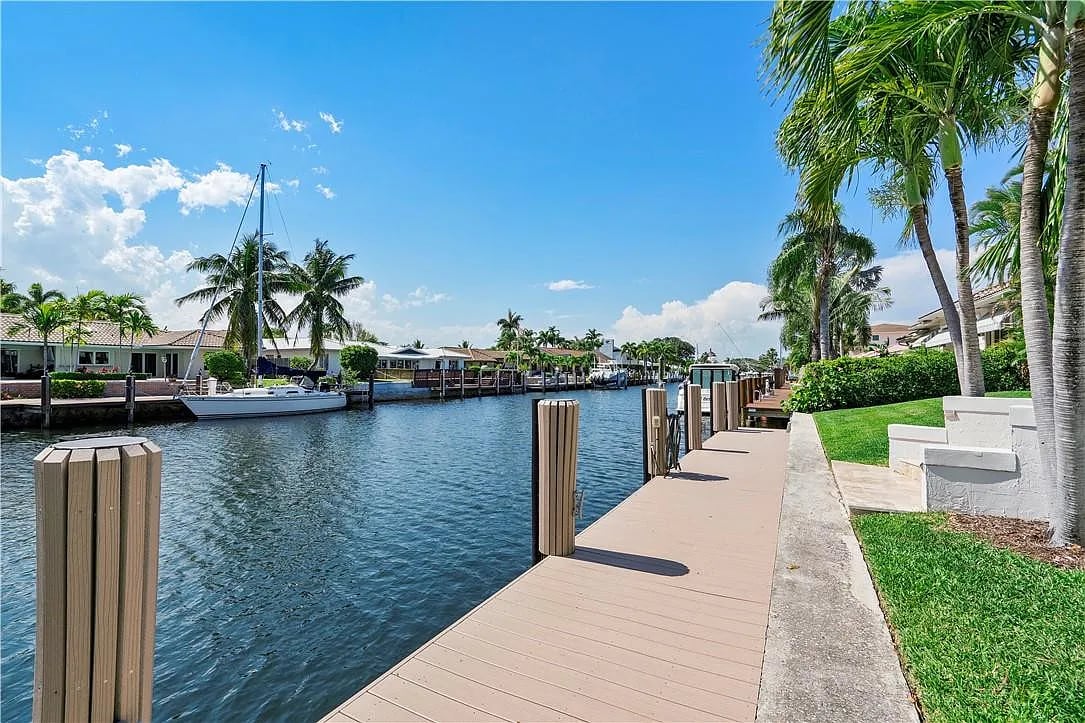
Fort Lauderdale Real Estate Guide: Market Snapshot
This Fort Lauderdale real estate guide is built for buyers, investors, and relocators who want an honest picture of what the market actually looks like in 2026, not what national headlines suggest. Prices are still climbing, up 10.4% year over year, but inventory has loosened, condos are sitting longer, and buyers from New York, California, and Illinois are still landing here in numbers that keep reshaping neighborhood dynamics across Broward County. That combination creates a market with real opportunity and real complexity in the same zip code.
At Greg Pereira Real Estate, we've been working this market for over a decade, through the post-2008 recovery, the pandemic-era sprint, and everything in between. This guide is built on that local experience, not national averages. What follows covers current pricing, neighborhood fit by buyer type, Fort Lauderdale condos vs. homes, true costs of ownership, and the buy-versus-rent question for 2026. By the end, you'll have a clear picture of what buying in Fort Lauderdale actually looks like right now.
Prices, inventory, and the pace of sales
The median sale price in Fort Lauderdale sits at approximately $580,000 as of mid-2026, up 10.4% year over year per Redfin's data. Listing prices are running slightly higher at around $596,000, which signals that sellers in many segments still hold pricing power even as inventory builds.
That inventory growth is the real story. Fort Lauderdale currently shows roughly 6.1 months of supply for single-family homes and 9.3 months for condos and townhomes, according to local MLS reports. Both figures represent a meaningful shift from the frenzied conditions of 2021 through 2023, and the condo number in particular puts negotiating leverage squarely in buyers' hands. Homes are taking 65 to 105 days to sell depending on the property type and data source, and sale-to-list price ratios are running between 94% and 96%, meaning buyers are regularly closing below asking price.
What these Fort Lauderdale market trends mean if you're buying this year
This is not a buyer's market in the traditional sense. Prices are still appreciating, sellers in desirable single-family neighborhoods are not desperate, and well-priced homes still move. But buyers who arrive pre-approved, with a clear offer strategy and a realistic sense of value, are finding more traction than they've had in years.
Elevated condo inventory creates a particular opening. For investors and first-time buyers willing to look beyond beachfront glamour, the supply overhang in the condo segment means genuine negotiating room on price and terms. The key is understanding which buildings carry strong financials and manageable HOA structures; that's where local guidance separates a good deal from a costly mistake.
Fort Lauderdale Real Estate Guide: Neighborhood Matchups
Best neighborhoods for families and long-term homeowners
Rio Vista, Coral Ridge, Imperial Point, and Victoria Park consistently come up as the strongest family-oriented choices in Fort Lauderdale. Rio Vista and Coral Ridge lean luxury, with waterfront properties in Fort Lauderdale ranging from $800,000 to well over $3 million. Both neighborhoods deliver the kind of street character and residential stability that long-term homeowners prioritize, but entry prices reflect that quality.
Imperial Point offers a more accessible starting point for families, with interior homes typically between $650,000 and $850,000. Victoria Park bridges family stability and urban convenience, with medians near $987,000 and a walkability score that justifies the premium for many buyers. If you're buying with a 10-plus year horizon, these four neighborhoods consistently hold their value through market cycles better than more transient condo corridors.
Young professionals, retirees, and what each group actually needs
Young professionals gravitate toward Flagler Village, Sailboat Bend, and Downtown Fort Lauderdale for walkability, condo availability, and easy access to restaurants, entertainment, and the water. Sailboat Bend is notably more affordable, with a median near $550,000, while Downtown condos range widely from the mid-$200,000s to over $2 million depending on the building and floor. Flagler Village sits in the broader urban-condo band and continues to attract buyers priced out of Las Olas-adjacent options.
Retirees tend to prioritize Central Beach, Harbor Beach, and amenity-rich downtown condo buildings, where low-maintenance living and coastal proximity matter more than square footage. Central Beach condos range from about $275,000 to $1.2 million and beyond, while Harbor Beach is decidedly luxury, with entry points above $3 million and some listings reaching $10 million. The right choice between these two depends almost entirely on lifestyle priorities and how much ongoing maintenance a buyer wants to manage.
Investor-focused neighborhoods and where the numbers make sense
Middle River Terrace, Sailboat Bend, and select Downtown submarkets offer the most compelling investor entry points among homes for sale in Fort Lauderdale, with some medians closer to the high $300,000s. Victoria Park remains attractive for rental demand, though higher purchase prices compress net yield. The current 9.3-month condo inventory is both an opportunity and a warning sign: buyers who do the work to find underpriced units in financially sound buildings can position well, but chasing gross yield in a supply-heavy segment without understanding HOA reserve health is how investors get burned.
Fort Lauderdale Condos vs. Homes: Costs, HOA Fees, and Rental Yield
What you actually pay each month for a condo
Fort Lauderdale condo median prices range from roughly $440,000 to $585,000 depending on the neighborhood and data source, while single-family home medians in comparable locations typically run higher. The upfront price gap can feel attractive, but HOA fees close that gap fast. Downtown Fort Lauderdale buildings range from $350 to $2,500 or more per month in HOA fees, and luxury buildings regularly charge $2,000 to $3,000 monthly.
That HOA figure changes the entire monthly cost calculation. A condo priced $100,000 below a comparable single-family home can easily carry a higher true monthly cost when you factor in the fee. Before comparing a condo to a house on price alone, always run the full monthly number: mortgage, HOA, insurance, and taxes together.
Rental yield: gross numbers vs. net reality
Fort Lauderdale condos show a median rent around $2,700 per month in mid-market submarkets, with higher-end inventory pushing average rental list prices to $7,050 per month. The gross yield on a moderately priced condo can look compelling on a spreadsheet. The net yield, after HOA fees, insurance, property taxes, vacancy reserves, and maintenance, tells a different story.
Single-family homes in neighborhoods with strong rental demand often outperform condos on net return despite a higher purchase price. The absence of HOA fees and greater flexibility on use and improvement are structural advantages that compound over time. For investors targeting Fort Lauderdale, the right question isn't which property type yields more in gross terms; it's which one leaves the most cash after all carrying costs are covered.
What It Actually Costs to Close on a Fort Lauderdale Home
Closing costs, property taxes, and what lenders collect upfront
Buyers in Fort Lauderdale should budget between 2% and 5% of the purchase price in closing costs. On a $580,000 home, that's roughly $11,600 to $29,000 in fees covering loan origination, appraisal, title search, recording fees, inspection costs, and prepaid items like the first year of insurance and initial tax escrow deposits. Most financed purchases land closer to 3%, but the full range is real and depends on loan type, lender, and whether the buyer pays discount points.
Property taxes are assessed by Broward County and vary based on assessed value, applicable exemptions, and millage rates. Lenders typically collect several months of taxes upfront at closing to fund the escrow account, which means buyers need to account for this separately from the down payment. First-time buyers consistently underestimate the cash-to-close figure because they plan for the down payment but not for these additional upfront collections.
Insurance, flood zones, and hurricane risk in Broward County
Homeowners insurance in Fort Lauderdale runs approximately $800 to $3,000 or more annually depending on the home, location, and coverage level. Florida's hurricane exposure makes underwriting more complex and premiums notably higher than in most other states. Buyers should verify whether windstorm coverage is included in their policy and understand their hurricane deductible before signing, because that deductible can represent a significant out-of-pocket exposure after a storm.
Flood insurance is a separate policy entirely and, for homes in FEMA Special Flood Hazard Areas with federally backed loans, it's mandatory. Canal-front and coastal properties in Fort Lauderdale can carry flood insurance costs of $1,500 to $6,000 per year, with severe coastal exposure in VE zones running $3,500 to $15,000 or more annually. This cost is routinely overlooked in initial budget planning and can materially shift the true ownership cost of an otherwise attractive property. Even outside mandatory zones, many Fort Lauderdale properties near canals or low-lying areas carry enough flood risk to warrant coverage, and a local agent who knows the flood map by neighborhood is worth more here than any national listing platform.
Should You Buy or Rent in Fort Lauderdale in 2026?
When buying makes financial sense right now
With 6 to 9 months of supply and days on market stretching to 65 to 105 days, buyers have more negotiating room than they've had in years. For anyone with a clear timeline of five or more years in Fort Lauderdale, locking in ownership now makes sense. Continued price appreciation of 10.4% year over year suggests the window for entry-level pricing won't stay open indefinitely, and the cost of waiting compounds with every passing quarter.
Buying beats renting in the clearest terms for buyers who are already pre-approved, investors targeting mid-market condos or single-family rentals with strong fundamentals, and relocators who've done the neighborhood research and identified their fit. The combination of elevated inventory and motivated sellers in certain segments creates conditions that a prepared buyer can genuinely capitalize on.
When renting is the smarter short-term move
For buyers still exploring neighborhoods, anticipating a life transition within two to three years, or not yet pre-approved, renting preserves flexibility and protects against the transaction costs of a premature purchase. Fort Lauderdale's market, while favorable for prepared buyers, still carries pricing risk in the luxury condo segment, where oversupply could soften values before they recover.
Renting first also gives relocators from out of state a chance to experience neighborhoods in real time before committing. What looks ideal on a map sometimes feels different after six months of daily life. The right agent can help you identify that fit faster than a year of renting will.
Your Next Step in Fort Lauderdale's 2026 Market
Use this Fort Lauderdale real estate guide as your starting point, but know that the details matter enormously at the street level. Prices are up, but negotiating room exists. Neighborhoods vary enormously by lifestyle fit, price point, and long-term value trajectory. True ownership costs go well beyond the listing price, and understanding flood zone exposure alone can save or cost tens of thousands of dollars over a holding period. As a broader Broward County real estate guide, these same principles apply whether you're considering Fort Lauderdale proper or adjacent communities like Wilton Manors, Oakland Park, or Pompano Beach.
The single biggest variable in a successful Fort Lauderdale transaction is local knowledge: understanding which buildings carry HOA reserve risk, which neighborhoods are undergoing genuine revitalization versus speculative hype, and how to structure an offer that wins without overpaying. That knowledge isn't available on a national real estate aggregator.
Greg Pereira Real Estate offers concierge-level guidance through every stage of the process, from neighborhood shortlisting and offer strategy to managing closing costs, insurance coordination, and contract negotiation. If you're ready to take the next step, or just want a clear-eyed conversation about what buying in Fort Lauderdale actually looks like for your specific situation, reach out directly. There's no pressure, no script, just honest local expertise applied to your goals.