Torn between Fort Lauderdale and Miami? You are not alone. If you are relocating to South Florida, both cities offer sunshine, beaches, and major lifestyle perks, yet the day-to-day feel and value can be very different. In this guide, you will compare housing types, commute options, beach and nightlife access, and practical risk factors like flood zones and insurance. You will also get a shortlist of Broward neighborhoods to tour and a step-by-step plan to choose with confidence. Let’s dive in.
Fort Lauderdale vs Miami at a glance
- Scale and pace: Miami is larger and denser with a global business and tourism profile. Fort Lauderdale is smaller overall with a more suburban feel in many areas and growing downtown hubs.
- Cost and space: Broward communities often deliver more interior square footage and larger lots for similar budgets compared to many Miami neighborhoods near the coast or downtown.
- Lifestyle focus: Miami leans international with a high-energy dining and nightlife scene and stronger transit in the core. Fort Lauderdale offers extensive boating and canal living and a relaxed coastal vibe, plus urban pockets near Las Olas and downtown.
What you get for your money
Common home types in each market
Fort Lauderdale and Broward
- Single-family homes on canals and in quiet inland subdivisions like Coral Ridge, Victoria Park, and parts of Pompano Beach.
- Low to mid-rise condos, with newer high-rises near downtown and along the beach.
- Townhomes and planned suburban communities in places like Weston and Pembroke Pines.
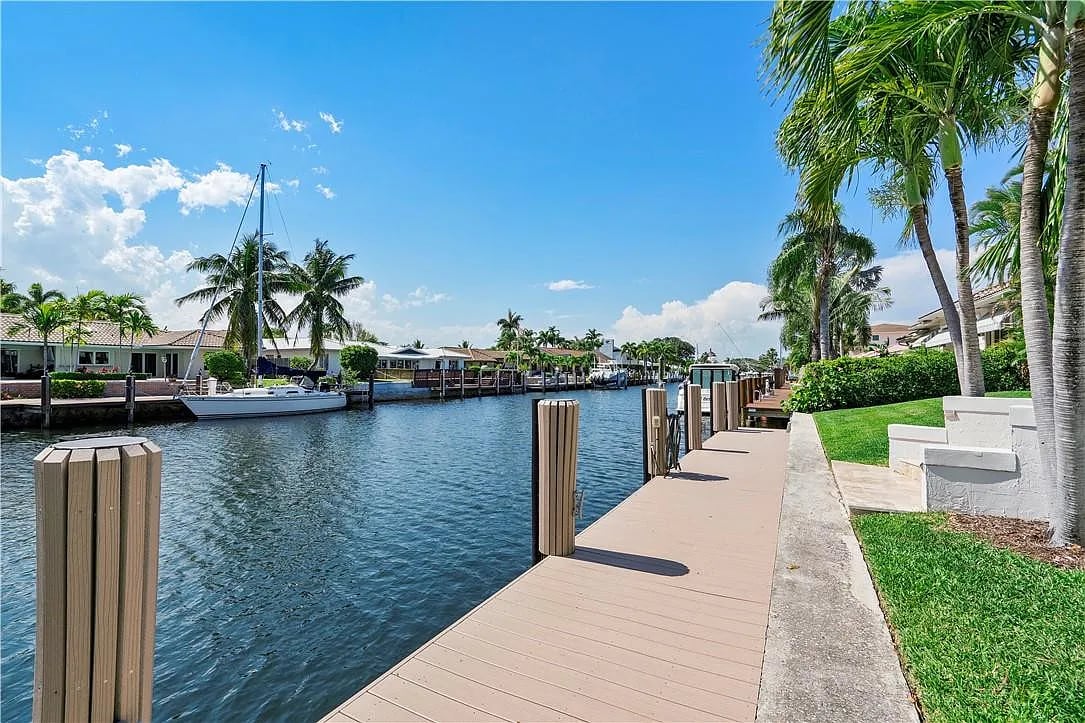
- Strong inventory of boat-access homes on the Intracoastal and canal systems.
Miami and Miami-Dade
- High concentration of luxury and high-rise condos in Brickell, Edgewater, and Miami Beach.
- Older single-family neighborhoods with tropical and Mediterranean styles in Coconut Grove and Coral Gables.
- Dense, mixed-use areas with walkable retail near downtown job centers.
Price and value factors
- Fort Lauderdale and many Broward suburbs generally offer more space for the price, especially if you are comparing to Miami’s coastal and downtown submarkets.
- Miami pricing varies widely. Coastal and core neighborhoods command some of the highest per-square-foot prices in the region, while inland areas can be more accessible.
- In both counties, condo HOA fees can be significant. When you compare monthly costs, weigh HOA dues, building insurance, and reserves along with your mortgage.
Age and condition considerations
- Broward’s mix includes mid-century and newer suburban homes. On waterfront properties, confirm seawall age and condition, elevation, and drainage improvements.
- Miami offers many newer luxury towers along with older buildings. In older condos, prioritize inspections, reserve studies, and insurance availability.
Buyer watchouts to investigate
- HOA rules and building financial health, including rental policies and reserve studies.
- Seawalls, elevation, and flood mitigation on waterfront homes.
- Parking and guest parking in denser neighborhoods.
Commute and getting around
Driving realities
- I‑95, Florida’s Turnpike, US‑1, and A1A connect Broward and Miami. Peak-hour congestion is common on I‑95 and I‑595.
- Many residents drive. If you plan to work in central Miami, expect longer rush-hour times from farther Broward suburbs.
Rail options
- Tri-Rail connects Broward to Miami and Palm Beach with commuter service that can help avoid I‑95 traffic. Station locations and frequency vary.
- Brightline offers faster service between downtown Fort Lauderdale and downtown Miami with limited stops. It is convenient for downtown-to-downtown trips.
- Local systems include Fort Lauderdale’s trolley circulators and Miami’s Metrobus, Metrorail, and Metromover in downtown and Brickell.
Airports
- Fort Lauderdale–Hollywood International Airport (FLL) is close to many Broward cities and often offers easier parking and shorter lines.
- Miami International Airport (MIA) is the region’s largest international gateway with a broader route network.
Job centers
- Miami has strong finance and international trade, tourism and hospitality, and growing tech and startup scenes.
- Broward includes Port Everglades and marine industries, healthcare, education, logistics, and professional services. Many people commute in both directions.
Beaches, culture, daily life
Beach and boating access
- Fort Lauderdale features long, wide beaches and extensive inland waterways. The boating culture stands out, from marinas to canal-side homes. Outside the main tourist areas, beachfront tends to be more low-rise.
- Miami’s beaches are iconic and busier, especially in Miami Beach and South Beach. Expect more tourism and a higher-density beachfront experience.
Dining and nightlife
- Miami offers a larger, more international dining scene with high-end restaurants, late-night clubs, and major arts institutions and festivals.
- Fort Lauderdale’s culinary scene is growing, with relaxed dining along Las Olas and a steady arts presence at venues like the Broward Center. The scale is smaller than Miami, but options are expanding.
Parks and recreation
- Both counties provide access to public beaches, neighborhood parks, and the Everglades to the west.
- Broward’s waterfront promenades, bike paths, and mangrove preserves combine with easy access to boating and water sports.
Cultural feel
- Miami has a fast pace and a strong Latin American influence in language, cuisine, and commerce. Tourist activity is more visible in core neighborhoods.
- Fort Lauderdale tends to feel more relaxed and residential across many areas, with growing diversity and urban pockets near downtown.
Climate, flood, and insurance
Risk basics
- Both Broward and Miami-Dade are hurricane-prone coastal counties. Flood and storm surge risk are key considerations for waterfront and low-elevation properties.
- Flood zones and mitigation vary by neighborhood. Review FEMA flood maps, local elevation data, and recent updates to drainage and seawalls.
Insurance factors
- Florida’s homeowners and windstorm insurance markets have faced rising premiums and availability constraints. Coastal properties and high-risk flood zones can carry higher costs and deductibles.
- Many lenders require flood insurance in designated flood zones. Premiums vary based on elevation, flood zone, and protective features.
- For condos, the master policy structure, building age, and reserves can affect coverage and the likelihood of special assessments.
Mitigation and due diligence
- Waterfront or low-lying homes: check the seawall, drainage, elevation certificate, and any history of flooding.
- Condos: review engineer reports, recertification status, and reserve funding. Ask about past or pending special assessments.
Broward neighborhoods to shortlist
Close-in Fort Lauderdale
- Victoria Park and Flagler Village: Walkable areas near downtown and Las Olas with a mix of single-family homes, townhomes, and newer condos.
- Coral Ridge and Coral Ridge Isles: Residential streets, canal access in many sections, and a quieter coastal feel.
- Las Olas Isles and Downtown Fort Lauderdale: Urban energy with waterfront options. Often priced below similar Miami waterfronts, depending on the block and building.
Adjacent Broward communities
- Wilton Manors: Compact city with walkable dining and nightlife and many renovated mid-century homes.
- Hollywood and Hollywood Beach: Wide beaches and a lively boardwalk, plus a mix of single-family and condo options at varied price points.
- Pompano Beach: Upgrading beachfront and downtown areas, with price points that are often lower than comparable Miami beachfronts.
- Deerfield Beach and nearby Boca Raton: Deerfield offers approachable beachfront options in northern Broward. Boca is higher-end and suburban just across the county line.
- Lauderdale-by-the-Sea and Dania Beach: Smaller beach towns with a laid-back feel and lower price points than many parts of Miami Beach.
- Weston, Pembroke Pines, and Plantation: Suburban areas with larger homes and yards. Farther from the beach, but often more house for the budget.
Tradeoff tips
- Proximity to Las Olas or downtown increases walkability and dining access. Canal properties cost more but offer boating.
- Inland suburbs can deliver larger lots and community amenities in exchange for longer beach drives.
How to choose: next steps
Rank your priorities
- Commute time and method: daily drive or rail to downtown Miami, hybrid work, or local Broward commute.
- Housing type: single-family with yard, condo near the beach, or townhome close to downtown.
- Budget and total monthly cost: mortgage, taxes, HOA, homeowners insurance, flood insurance, and utilities.
- Lifestyle features: boat access, walkability to dining, beach proximity, and local parks.
Plan tours and test commutes
- Build a 6 to 10 property shortlist across a few neighborhoods. See coastal, downtown, and inland options.
- Visit at least three times: weekday morning, weekday evening, and weekend. Note parking, traffic, noise, and pedestrian activity.
- If you will commute to Miami, time the drive or ride Tri-Rail or Brightline during peak hours to gauge a typical day.
Inspection and HOA checklist
- Full home or condo inspection: roof, HVAC, plumbing, electrical, and structural.
- Waterfront checks: seawall condition, elevation certificate, drainage, and any prior flood events.
- Condo review: HOA bylaws, master insurance, reserve study, meeting minutes, and building recertification status if applicable.
- Insurance quotes: get preliminary homeowners and flood insurance quotes before making an offer.
- Property taxes and assessments: confirm with the county property appraiser and tax records.
Financial and legal checks
- Estimate your all-in monthly cost, including HOA or condo fees and insurance.
- Short-term rentals: confirm local rules and registration requirements if rental income matters.
Work with local pros
- Choose an agent who actively works both Broward and Miami and understands flood, seawall, and HOA nuances.
- Use local inspectors and contractors familiar with South Florida coastal conditions.
Ready to compare homes on the ground, test your commute, and see which city fits your lifestyle? Get concierge, local guidance from a Fort Lauderdale-based advisor backed by Berkshire Hathaway HomeServices Florida Realty. Connect with Gregory Pereira, PA to plan a focused tour and move forward with confidence.
FAQs
Is Fort Lauderdale cheaper than Miami for housing?
- In many cases Broward offers more interior space and larger lots for a given budget than comparable coastal or downtown Miami neighborhoods. Actual prices vary by block, building, and condition.
Which city has better public transit for daily use?
- Miami’s core areas have Metrorail, Metromover, and extensive bus service. Between cities, Brightline and Tri-Rail connect downtowns and suburbs. Choose based on your typical route and schedules.
How does beach access differ between the two?
- Fort Lauderdale features long, wide beaches and a strong boating and canal lifestyle. Miami’s beaches are iconic but busier, with higher-density development and more tourism in many beachfront areas.
What should I know about flood risk and insurance?
- Both counties face hurricane and flood risk. Review FEMA flood maps, elevation certificates, and mitigation features. Insurance costs can be higher in coastal and high-risk zones, so budget for homeowners and flood policies.
Where should I live if I work in downtown Miami or Brickell?
- If you prefer Broward, consider close-in Fort Lauderdale neighborhoods near Brightline or easy highway access. Test your commute at rush hour and compare rail options for reliability.
Are condos a good option if I want rental flexibility?
- It depends on the building. Review HOA rental rules, reserves, insurance, and any special assessments. Compare HOA dues and policies across buildings before you buy.
How do FLL and MIA compare for frequent flyers?
- FLL is close to many Broward neighborhoods and can be simpler to navigate. MIA offers a larger international network. Choose based on your typical destinations and airline preferences.